 blog
blog
Best 600cc Sportbike for Street Riding: 2026 Guide
Table of Contents
- Why 600cc Sportbikes Dominate Street Riding
- The Most Comfortable 600cc Sportbike Models
- Best Used 600cc Supersport Bikes for Value Buyers
- 600cc Sportbike for Beginners: What You Need to Know
- Upright 600cc Sportbike Options for Long Rides
- Street Performance: Handling, Braking, and Real-World Reliability
- Ownership Costs and Maintenance Reality
- Frequently Asked Questions
Last Updated: October 16, 2026
Why 600cc Sportbikes Dominate Street Riding
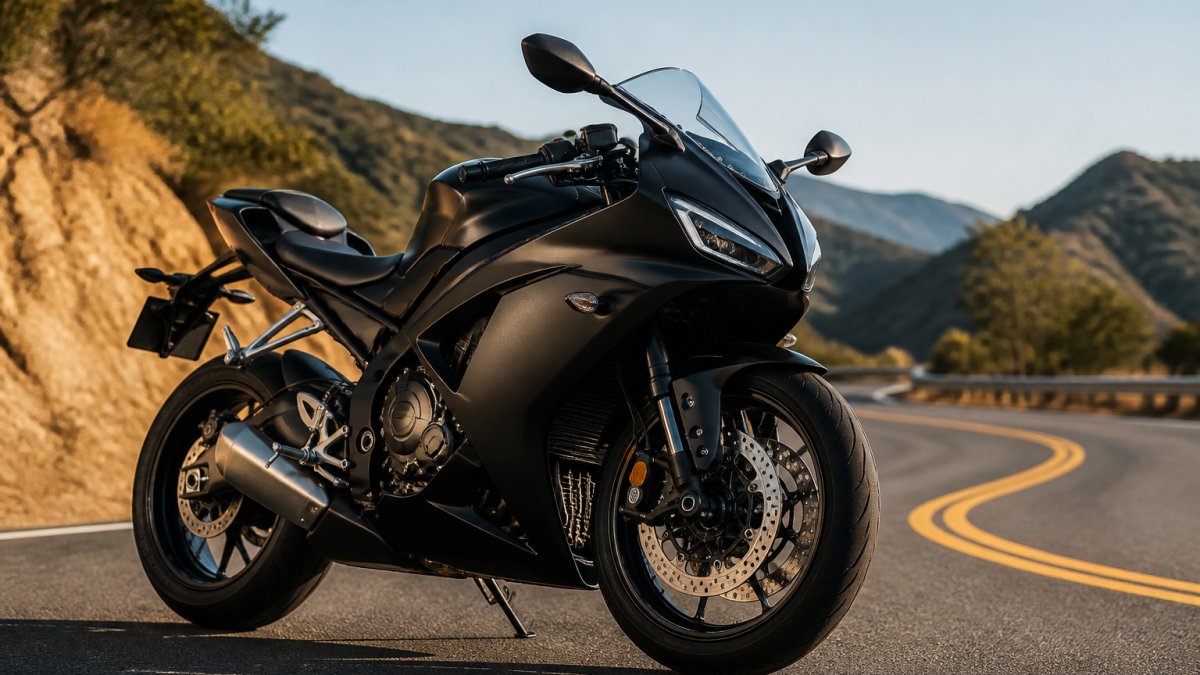
A 600cc sportbike is the street-riding sweet spot: real performance without liter-bike aggression. The best 600cc sportbike for street riding balances power, handling, and everyday usability.
Street riders need sharp handling, responsive acceleration, and long-ride comfort. A 600cc answers all three: the inline-four feels quick without overwhelming newer riders, and the chassis stays planted in corners yet nimble in traffic.
What separates a 600cc from a 636cc or larger sportbike is throttle response and low-speed maneuverability: it revs higher and delivers power more linearly, making it more usable in stop-and-go conditions.
The Most Comfortable 600cc Sportbike Models
Comfort comes down to four measurable things: seat height, bar reach and height, peg position, and wind protection. Add a fifth that track reviews ignore, engine heat on your legs in traffic. A track-day star can be miserable on a 20-minute commute if your thighs cook at every red light.
Here's how current and recent 600-class machines stack up for street use. Seat heights are manufacturer-published; treat them as a starting point, since seat shape and width change how a bike feels at a stop.
- Kawasaki Ninja ZX-6R (636cc): Around 32.7 inches of seat height, clip-ons mounted above the top triple clamp, and a slightly relaxed peg position compared with pure race replicas. The extra 36cc over a strict 600 shows up as noticeably stronger midrange, which means fewer downshifts in traffic. Engine heat is manageable but noticeable in summer gridlock.
- Honda CBR600RR: Roughly 32.3 inches, a narrow seat that lets shorter riders get more foot down, and a reputation for smooth, predictable fueling at low speed. The riding position is more committed than the ZX-6R's, so wrist pressure builds on longer rides.
- Yamaha YZF-R6: About 33.5 inches and the most track-focused ergonomics of the group, high pegs, low bars, and a peaky engine that wants revs. Great on a canyon road, tiring in traffic, and discontinued as a new street model, so it's a used-market proposition.
- Suzuki GSX-R600: Around 31.9 inches, the lowest of the mainstream 600s, which helps shorter riders. The reach to the bars is still aggressive, but the lower seat makes stop-and-go less stressful.
- Triumph Daytona 675 (used): A three-cylinder with a narrower chassis than the inline-fours, roughly 32.3 inches, and torque delivered lower in the rev range. The narrowness makes it feel smaller than its displacement suggests.
Practical notes that matter more than spec sheets:
- Seat height vs. inseam: A rider with a 30-inch inseam typically gets the balls of both feet down on a bike in the 31.5-32.5 inch range; above 33 inches, many are on their toes. Lowering links change suspension geometry and should be paired with a fork adjustment.
- Bar position: Clip-ons above the triple clamp (as on the ZX-6R) put less weight on your wrists than clip-ons below it. That single design choice does more for street comfort than most aftermarket seats.
- Wind protection: A taller, adjustable windscreen cuts helmet buffeting at highway speed, a bolt-on change costing well under $200 and the highest-value comfort upgrade you can make.
- Heat: Under-tail exhaust designs (common on mid-2000s bikes) tend to be kinder to your legs than side- or under-engine routing. If you commute in a hot climate, ride the bike in traffic before you buy, no spec sheet captures this.
- Low-speed behavior: Lighter steering and a less aggressive steering-head angle ease U-turns and parking-lot maneuvering. The 600 class is nimble overall, but the narrow three-cylinder and lower-seat models feel most confidence-inspiring at walking pace.
Every 600cc sportbike is firmer and more folded-up than a standard or touring bike. The goal isn't eliminating that trade-off, it's picking the model whose compromises you can live with, then spending a few hundred dollars on a windscreen, comfort seat, and possibly bar risers.
Best Used 600cc Supersport Bikes for Value Buyers
The used 600cc market offers exceptional value. These bikes hold their core engineering for decades, so a five-year-old model performs nearly identically to a current one, you save on depreciation and wear-and-tear.
Used 600cc supersports from Suzuki, Kawasaki, Honda, and Yamaha remain affordable and reliable, with strong parts availability and mechanics familiar with them.
When shopping used, maintenance history matters more than mileage: a well-maintained bike with 15,000 miles runs better than a neglected one with 8,000.
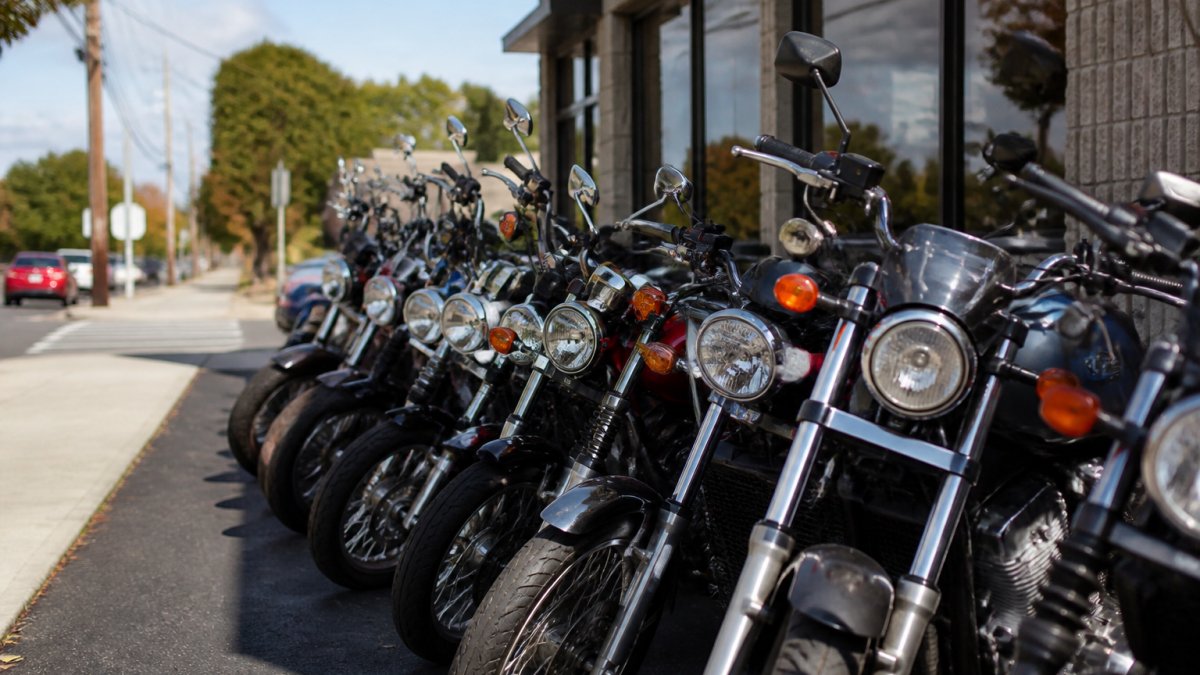
At Flemington Powersports, we stock pre-owned 600cc sportbikes from multiple manufacturers. Our team inspects every bike and can show you maintenance records.
The used market also opens access to discontinued models riders still prefer.
600cc Sportbike for Beginners: What You Need to Know
Before deciding whether a 600 is right for you, get the displacement categories straight, the market blurs them, causing real buying mistakes.
- Strict 600cc: The classic inline-four supersports, Honda CBR600RR, Yamaha YZF-R6, Suzuki GSX-R600, Kawasaki Ninja ZX-6R (older 599cc versions). These rev high, make most of their power above 8,000 rpm, and reward smooth throttle control.
- 636cc: The current Kawasaki Ninja ZX-6R. The extra 36cc is a street-oriented move, it fattens the midrange so you don't have to downshift twice to pass. It's still a 600-class bike in size, weight, and insurance terms.
- Broader middleweights: Bikes like the Yamaha YZF-R7, Honda CBR650R, and Kawasaki Ninja 650. These use twin-cylinder or detuned four-cylinder engines, make torque lower in the rev range, and usually sit more upright. They're often the better first sportbike even though they aren't strictly 600cc.
In everyday use, a strict 600 rewards revs and delivers power in a narrow band. A 636 or twin-cylinder middleweight delivers usable thrust from 3,000-4,000 rpm, where street riding actually lives.
Fit by height and experience:
- Under 5'6": Look at the lowest seats in the class, the GSX-R600 and CBR600RR are the friendliest. A broader middleweight like the Ninja 650 sits lower still and is easier to flat-foot.
- 5'6"-5'10": Most 600s are manageable. Focus on bar reach; if your arms lock out, the bike is too long a reach for comfortable street riding.
- Over 5'10": You'll fit most 600s easily, but tall riders often feel cramped by high pegs on long rides. A more upright middleweight may suit you better.
- New riders: A 600-class inline-four is a reasonable first sportbike if you've completed formal training and have self-control. It is not a reasonable first motorcycle if you haven't. The power isn't the main risk, the aggressive riding position and the temptation to use the top of the rev range are.
- Experienced riders returning after years off: Treat a 600 like a new bike. Throttle response and braking have improved, and your reflexes have not kept pace with the gap.
Training and licensing: A Motorcycle Safety Foundation Basic RiderCourse is the standard first step and is accepted for license waiver in many states.
The displacement trap: Don't buy a 636 or a 650 twin thinking you're "stepping down" from a 600. In street riding, the 636 and the twins are often the more capable and more forgiving choice.
If you're new and your goal is street riding, the honest shortlist is a broader middleweight (R7, CBR650R, Ninja 650) for the easiest start, or a lower-seat strict 600 (GSX-R600, CBR600RR) if you want the supersport experience and have the training to match.
Upright 600cc Sportbike Options for Long Rides
Not all 600cc sportbikes force an extreme tuck. Some offer more upright riding positions while keeping sportbike handling and performance.
An upright position shifts your weight rearward and places your hands higher, reducing wrist and neck pressure. Weight spreads across the seat instead of concentrating on your hands, a substantial difference over a 200-mile ride.
Upright 600cc sportbikes sacrifice some aerodynamic efficiency: wind hits your chest and shoulders, meaning slightly higher fuel consumption and more buffeting above 80 mph. Below highway speeds, the trade-off barely registers.
Several manufacturers offer 600cc models with more moderate riding positions, look for bikes marketed as "sport-touring" or with comfort descriptors. They keep the sharp handling and responsive throttle of pure sportbikes.
The real solution for long-distance comfort is aftermarket modification.
Street Performance: Handling, Braking, and Real-World Reliability
A 600cc sportbike's handling defines its street appeal.
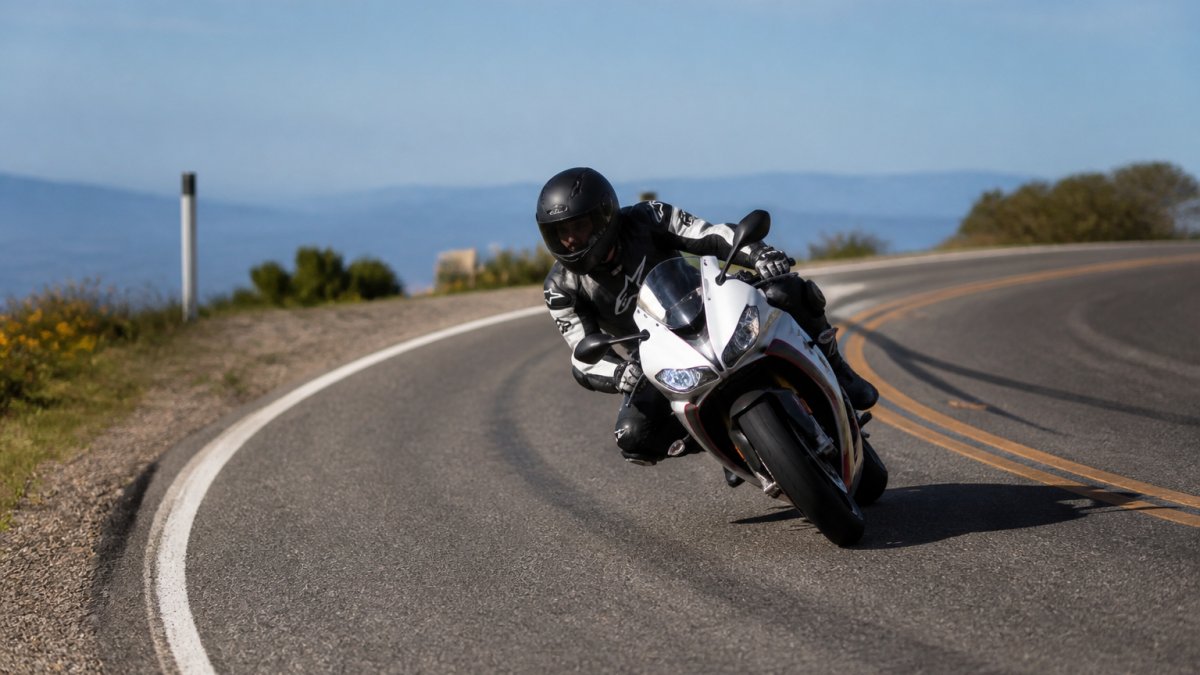
Braking on a 600cc sportbike exceeds most street bikes.
Real-world reliability on 600cc sportbikes from major manufacturers is exceptional. These bikes have been in production 20+ years with minimal fundamental changes: proven engines, strong electrical systems, and strong parts availability.
What kills reliability is neglect. Sportbikes need regular maintenance: oil changes every 3,000-4,000 miles, chain cleaning and lubrication every 500 miles, and annual brake fluid flushes.
Street riding exposes your bike to salt, moisture, and temperature swings track bikes never see. Wash it regularly, especially the undercarriage, protect exposed fasteners with light grease, and check tire pressure monthly.
Ownership Costs and Maintenance Reality
Owning a 600cc sportbike costs less than you might expect.
Fuel economy ranges from 35-45 mpg depending on riding style: aggressive throttle and high-speed highway riding reduce efficiency, while conservative street riding pushes toward the higher end.
Maintenance costs split into routine and unexpected.
At Flemington Powersports, our parts department stocks common replacement items, and our service team knows these bikes thoroughly. We can give you realistic repair estimates before starting work.
Tires are a significant ownership cost: a quality set of street-sport tires costs $250-400 installed, replaced every 8,000-12,000 miles depending on riding style and road conditions.
The best way to control ownership costs is preventive maintenance: change oil on schedule, keep the chain clean and lubricated, and fix small problems before they grow.
| Maintenance Task | Frequency | Typical Cost |
|---|---|---|
| Oil and filter change | Every 3,000-4,000 miles | $40-80 |
| Chain cleaning and lube | Every 500 miles | $0-20 |
| Brake pad replacement | Every 10,000-15,000 miles | $150-300 |
| Tire replacement | Every 8,000-12,000 miles | $250-400 |
| Coolant flush | Annually | $50-100 |
| Brake fluid flush | Annually | $50-100 |
Choosing the best 600cc sportbike for street riding comes down to matching the bike to your body, your intended riding, and your maintenance commitment. Our team can explain the differences between models, discuss your specific needs, and help you make a choice you'll enjoy for years. Motorcycle Safety Foundation training courses teach the fundamentals every new rider needs, and we recommend completing that training before purchasing your first sportbike.
Frequently Asked Questions
Is a 600cc sportbike too much for a beginner rider?
A 600cc sportbike is manageable for beginners with proper training and respect for the bike's power. Modern 600cc inline-four engines produce around 100 horsepower, which is controllable at low speeds but demands smooth throttle control and good body positioning. Beginners should start with lower RPMs in traffic, practice emergency braking, and consider a used model to minimize financial risk while learning. The real challenge isn't raw power, it's mastering the aggressive riding position and sharp throttle response.
Which 600cc sportbike is most comfortable for street riding?
Comfort depends on seat height, handlebar reach, and wind protection. Models with higher seats (around 32 inches) and more upright clip-on handlebars reduce wrist strain on long rides. Mid-fairing designs offer wind protection without the extreme lean-forward geometry of full-race fairings. Seat padding and suspension tuning also matter, softer suspension absorbs road imperfections better than track-focused setups. Test-ride multiple models to find one that fits your height and riding style.
Are used 600cc supersport bikes reliable for street use?
Used 600cc supersport bikes are generally reliable if properly maintained. Inline-four engines are proven designs with millions of miles on the road. Check maintenance records, inspect the chain and sprockets, verify brake pad thickness, and listen for unusual engine noise during a test ride. Supersports handle street riding well, they're lighter and more agile than heavier touring bikes, making them ideal for city traffic and twisty roads. Budget for regular oil changes, tire replacements, and brake service.
What's the difference between 600cc and 636cc sportbikes?
The 636cc displacement offers slightly more torque and horsepower than 600cc models, typically 5-10 additional horsepower. This translates to marginally better acceleration and mid-range power delivery, but the real-world street riding difference is minimal. Both classes deliver similar handling characteristics, suspension geometry, and braking performance. The choice comes down to availability, model features, and personal preference rather than displacement alone. A well-tuned 600cc will outperform a poorly maintained 636cc.