 listicle
ATVs for Sale: New & Used Inventory Guide
Table of Contents
- New ATVs for Sale: What's Available Now
- Used ATVs for Sale: Pre-Owned Options & Inspection Tips
- What Size ATV Do I Need for Your Use Case
- ATV Financing Options to Fit Your Budget
- New vs. Used: Which Makes Sense for First-Time Buyers
- Off-Road Riding Rules and Where You Can Ride
- How to Shop Smart: Inventory Filters and Specifications to Check
- Frequently Asked Questions
Last Updated: October 18, 2026
New ATVs for Sale: What's Available Now
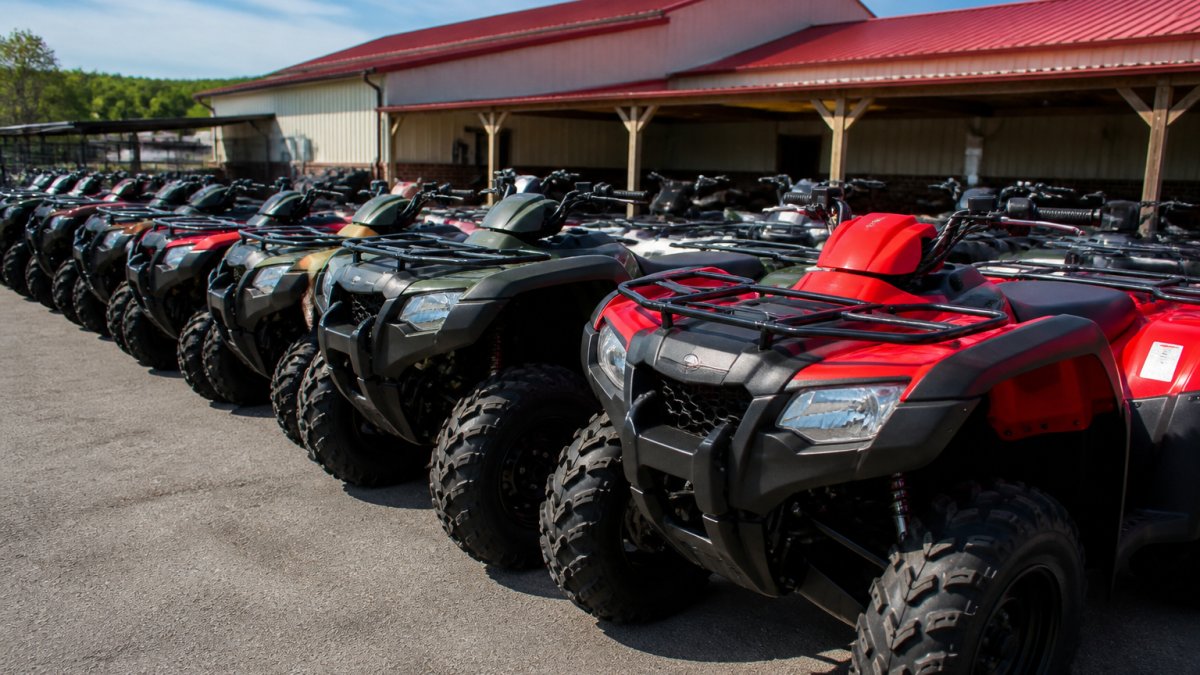
Finding the right new ATV for sale means knowing what's in stock and how models match your needs. At Flemington Powersports, we carry a rotating inventory of new ATVs from Polaris, Can-Am, and Kayo, each suited to different riding styles and property tasks.
New models bring the latest safety features, fuel efficiency, and suspension. Buying new means manufacturer warranties, current technology, and no unknown wear.
Each category serves a different purpose, whether you're introducing a family member to off-road riding or tackling serious property work.
Our team matches your intended use to the right specs, whether you need a lightweight quad or a heavy-duty utility ATV with towing capacity and accessory mounts.
Used ATVs for Sale: Pre-Owned Options & Inspection Tips
Pre-owned ATVs for sale offer significant savings while still delivering reliable performance if you know what to inspect.
Inspect systematically: check the frame for cracks or collision damage, tires for tread depth and uneven wear, and brakes for responsiveness. Listen for unusual engine noise during startup and acceleration, and verify all controls operate smoothly.
Request service records if available. A well-maintained used ATV with documented oil changes and regular maintenance typically outlasts a neglected newer model. Ask about the riding conditions the previous owner used, trail riding is gentler on components than heavy work use.
Check the undercarriage for mud hiding damage, battery terminals for corrosion, and lights and electrical systems. Look for frame rust in moisture-exposed areas. A 15-20 minute walk-around prevents costly surprises.
When shopping for used ATVs for sale, our dealership provides transparency about vehicle history and condition. We inspect each pre-owned unit before listing it, so you can shop with confidence knowing what you're getting.
What Size ATV Do I Need for Your Use Case
Choosing the right size ATV depends entirely on your primary use, rider experience, and physical capability. The question isn't which ATV is "best", it's which ATV matches your specific situation.
Youth ATVs for Beginners
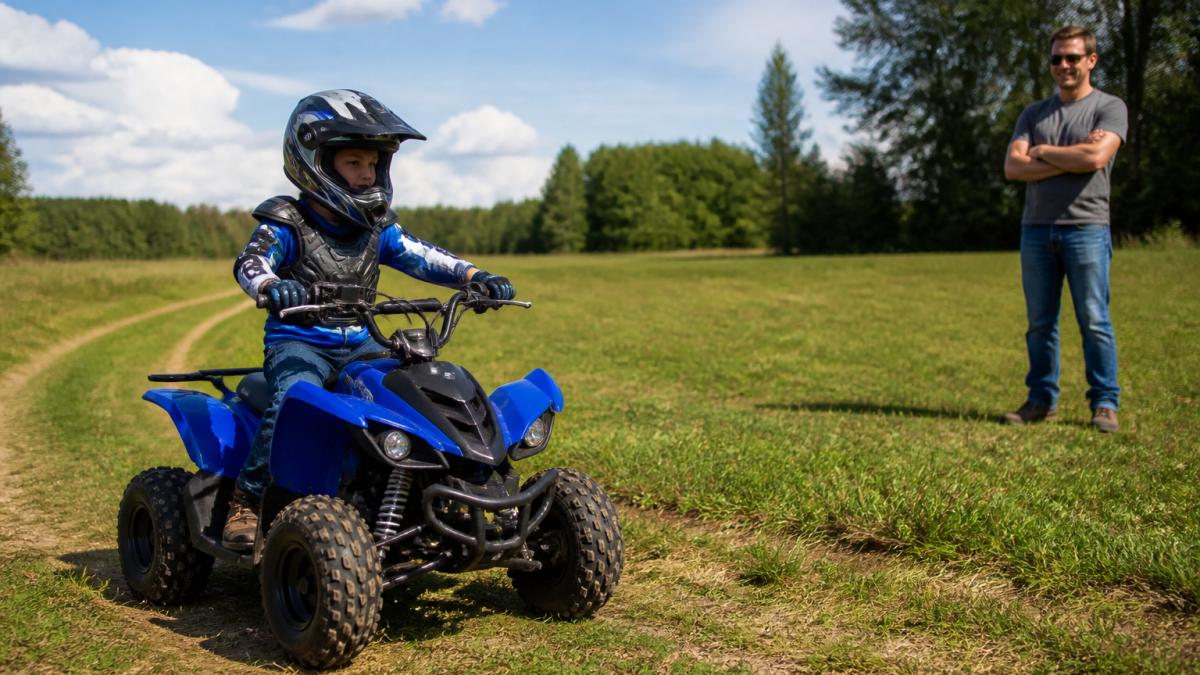
Youth ATVs range from 50cc to 110cc for riders ages 6-15, though adult beginners sometimes start here. They're lighter, easier to control, and forgiving of beginner mistakes.
Both teach body positioning, throttle control, and basic off-road skills.
Mid-Size Four-Wheelers for Recreational Riding
Mid-size four-wheelers suit recreational riders and smaller-framed adults who want versatility without overwhelming power. They deliver enough torque for varied terrain while staying manageable for less experienced riders.
Both are excellent for weekend adventures, family outings, and exploring backcountry areas.
They balance performance with fuel efficiency, nimble on tight trails yet stable on longer rides, flexible enough for group rides and diverse terrain.
Full-Size Utility ATVs for Work and Property Maintenance
Full-size utility ATVs are designed for serious work including property maintenance, snow removal, and hauling. These machines feature cargo racks and accessory mounts for plows, spreaders, and other equipment.
With a plow attachment, a full-size utility ATV handles winter snow clearing on driveways and access roads reliably, while towing capacity moves equipment, firewood, or materials across your property.
They also serve agricultural and commercial purposes, paying for themselves through reduced labor. If your primary use is work rather than recreation, a full-size utility ATV is the right choice.
ATV Financing Options to Fit Your Budget
Financing is only one line in the true cost of owning an ATV. Before you compare monthly payments, build a total-cost picture that includes the purchase price, sales tax and registration fees, insurance, safety gear, maintenance, and transport. Buyers who finance the machine but forget the rest often end up with a payment they can cover and ownership costs they cannot.
How ATV financing usually works
A longer term lowers the monthly payment but raises total interest; a shorter term does the opposite. Promotional rates can beat standard rates but often require a minimum down payment, a specific credit tier, or a shorter term, read the conditions rather than assuming the advertised rate applies to you.
Down payment is the lever you control most directly. A larger down payment reduces the amount financed and can improve approval odds and your rate.
The ownership costs financing does not cover
- Insurance: Many lenders require physical damage coverage while the loan is open, and liability coverage is worth carrying regardless. Get a quote before you finance so the premium is part of your budget, not a surprise.
- Registration and taxes: Registration is typically annual, and sales tax applies at purchase in most states. Confirm both before you compare out-the-door prices.
- Safety gear: Helmet, goggles, gloves, boots, and riding apparel are not optional for most riders and add a real line item, especially for a family buying multiple machines.
- Maintenance: Oil changes, air filters, tires, belts, and brake service are routine. A used machine may need a baseline service soon after purchase.
- Transport: If you do not have a trailer or a vehicle rated to tow one, factor in that cost. Many buyers underestimate it.
A practical way to decide
Add the out-the-door price, first-year insurance, registration, gear, and a maintenance reserve, then compare that total against your cash and monthly budget. If it's comfortable on a shorter term, take the shorter term and save the interest. If it's tight, a less expensive used machine or a larger down payment beats stretching the loan term.
At Flemington Powersports, our team can walk you through current financing offers and help you build a realistic total-cost picture before you choose a machine.
New vs. Used: Which Makes Sense for First-Time Buyers
First-time ATV buyers often face the new-versus-used decision without clear guidance. Both paths make sense depending on your circumstances.
Choose new if you want manufacturer warranties, the latest safety features and technology, or plan to keep the machine 10+ years. New models also offer financing incentives and promotional pricing that offset the higher price.
Choose used if your budget is limited, you're testing whether off-road riding fits your lifestyle, or you want to minimize depreciation. A well-maintained used ATV from a reputable dealer delivers reliable performance at lower cost. Upgrading your machine with the right performance trail riding parts ensures that even an older model maintains the agility and power necessary for challenging terrain.
The honest answer: if you're unsure about long-term commitment, a used ATV lets you explore affordably; if you'll ride regularly, a new ATV with warranty protection justifies the premium.
Off-Road Riding Rules and Where You Can Ride
Before you buy any ATV, confirm where you can legally ride it. Registration requirements, trail access, and age rules vary by state, and an ATV that is legal on private property may not be legal on public trails without the right registration and safety equipment. This is the part of the purchase most listings skip, and it is the part that determines whether your new machine actually gets used.
Registration and titling
Most states require ATVs used on public land to be registered, and many require a title or certificate of origin for transfer. Registration is typically annual, handled through the state motor vehicle agency or off-highway vehicle program. Ask whether the unit comes with a title or manufacturer's certificate of origin, a used ATV without proper paperwork can be difficult or impossible to register. Verify title status before money changes hands.
Where riding is allowed
- Public trails and state forests: Many state park and forest systems designate specific ATV trails. Trail systems usually post vehicle width, engine-size, and muffler/spark-arrestor requirements, and some close seasonally or after rain to protect the surface.
- Federal lands: U.S. Forest Service and Bureau of Land Management units generally allow ATVs only on designated routes. Check the specific district's motor vehicle use map before you ride, because restrictions change by unit and season.
- Private land: Written permission from the landowner is the safe standard. Verbal permission is common but hard to prove if a dispute arises.
- Off-limits areas: Designated wilderness, protected habitat, and closed trails are off-limits regardless of registration status. Fines and impoundment are real outcomes, not hypotheticals.
Equipment and age rules
Many states require helmets for riders under a certain age, and some require them for all riders on public land. Youth ATVs are often restricted by engine size relative to rider age, and a parent or guardian may need to supervise. Spark arrestors are commonly required on public trails to reduce fire risk. Confirm the current rules with your state's off-highway vehicle program before your first ride, because requirements are updated periodically and vary by land manager.
Why this matters at purchase
If you plan to trail ride, buy a machine that meets the width, noise, and registration requirements of your intended trails. For property work, registration may be unnecessary, but insurance and safety gear still matter. Matching the machine to legal access prevents buying an ATV that sits unused because it can't be registered or doesn't fit local trails.
How to Shop Smart: Inventory Filters and Specifications to Check
When browsing ATVs for sale, use specific filters to narrow options to machines matching your needs.
Transmission type matters: automatics suit recreational and utility riding with minimal skill, while manual clutches appeal to experienced riders wanting greater control.
Towing capacity indicates how much weight the ATV can safely pull. If you plan to haul equipment or cargo, this specification determines whether the machine meets your needs.
Fuel tank capacity affects range between fill-ups.
Suspension travel, ground clearance, and seat height determine comfort and capability. Taller riders need adequate seat height; rough-trail riders benefit from longer suspension travel.
Check what accessories come standard or are available. Plow mounts, cargo racks, winches, and other equipment add functionality but also increase cost. Verify compatibility before purchasing add-ons.
At Flemington Powersports, our inventory filters let you sort by engine size, transmission type, new versus used condition, and price range.
Finding the right ATV for sale means matching machine capability to your actual needs, family recreation, winter property maintenance, or introducing a younger rider to off-road adventure.
Flemington Powersports carries new models from Polaris, Can-Am, and Kayo alongside an ever-changing inventory of pre-owned ATVs from trusted manufacturers.
Frequently Asked Questions
What should I look for when buying a used ATV?
Inspect the frame for cracks or bending, check fluid levels and condition, test the engine for smooth starting and idle, examine tires for wear and proper inflation, review service records, and verify the VIN matches documentation. Look for rust, loose bolts, and signs of water damage. Test brakes, steering, and throttle response before committing. A pre-purchase inspection by a trusted mechanic adds confidence to any used ATV purchase.
Should I buy a new or used ATV?
New ATVs offer manufacturer warranties, latest features, and the assurance of no hidden damage, making them ideal for first-time buyers willing to pay full price. Used ATVs cost less upfront and avoid the steepest depreciation, suiting budget-conscious buyers who don't mind potential maintenance costs. Consider your budget, comfort with repairs, and whether warranty coverage matters to you. Many first-time buyers find used ATVs from reputable dealers offer the best balance of value and peace of mind.
What size ATV do I need for recreational riding versus work?
Recreational riders typically choose mid-size four-wheelers that balance power and control for trails and light off-road use. Work-focused users need full-size utility ATVs with cargo racks, towing capacity, and plow-ready frames for property maintenance, snow removal, and hauling. Youth riders start on smaller ATVs to build skills safely. Your choice depends on terrain, intended use, rider experience, and whether you need equipment like plows or cargo carriers.
Can I finance an ATV purchase?
Yes, ATV financing is widely available through dealerships, banks, and credit unions. Dealerships often offer promotional rates and flexible terms on new and pre-owned inventory. Financing lets you spread the cost over months or years, making premium models more accessible. Approval depends on credit history and income. Contact the dealership directly for current financing offers, promotional rates, and to explore trade-in options that can reduce your down payment.