 listicle
Which Utility ATV Is Best for Farm Work?
Last Updated: October 27, 2026
Quick Summary
The best utility ATV for farm work depends on your daily jobs, not a single brand. Match the machine to your tasks, terrain, and payload needs, then confirm towing and payload ratings with the manufacturer before buying a utility ATV for your farm.
- List your most frequent tasks before comparing any models or specifications.
- Choose a UTV for heavier hauling and extra passengers; an ATV suits tight trails.
- Measure your narrowest gate or tree line before committing to a wide UTV.
- Verify payload and towing capacity against current manufacturer specifications, not estimates.
- Confirm attachment mounts, wiring, and payload limits before buying implements.
Table of Contents
- What a Utility ATV Needs to Do on a Working Farm
- ATV vs UTV for Farm Work: Choosing the Right Category
- Match the Machine to Your Farm Size and Daily Jobs
- Farm ATV Towing Capacity, Payload and Engine Choices
- Best Utility ATV Models for Farm Work Compared
- Best Used ATV for Farm Work: Inspection and Buying Tips
- Farm ATV Attachments, Ownership Costs and Safety Rules
- Getting Your Farm ATV Matched to Your Property at Flemington Powersports
- Frequently Asked Questions
What a Utility ATV Needs to Do on a Working Farm
Choosing the best utility ATV for farm work starts with the job, not the brochure.
Before comparing models, list the tasks you do most. Hauling feed bags, moving fencing supplies, spreading salt or ice melt, and pulling a small implement all put different demands on a machine.
Knowing your daily jobs can help narrow the field. USDA National Agricultural Statistics Service farm operation data
ATV vs UTV for Farm Work: Choosing the Right Category
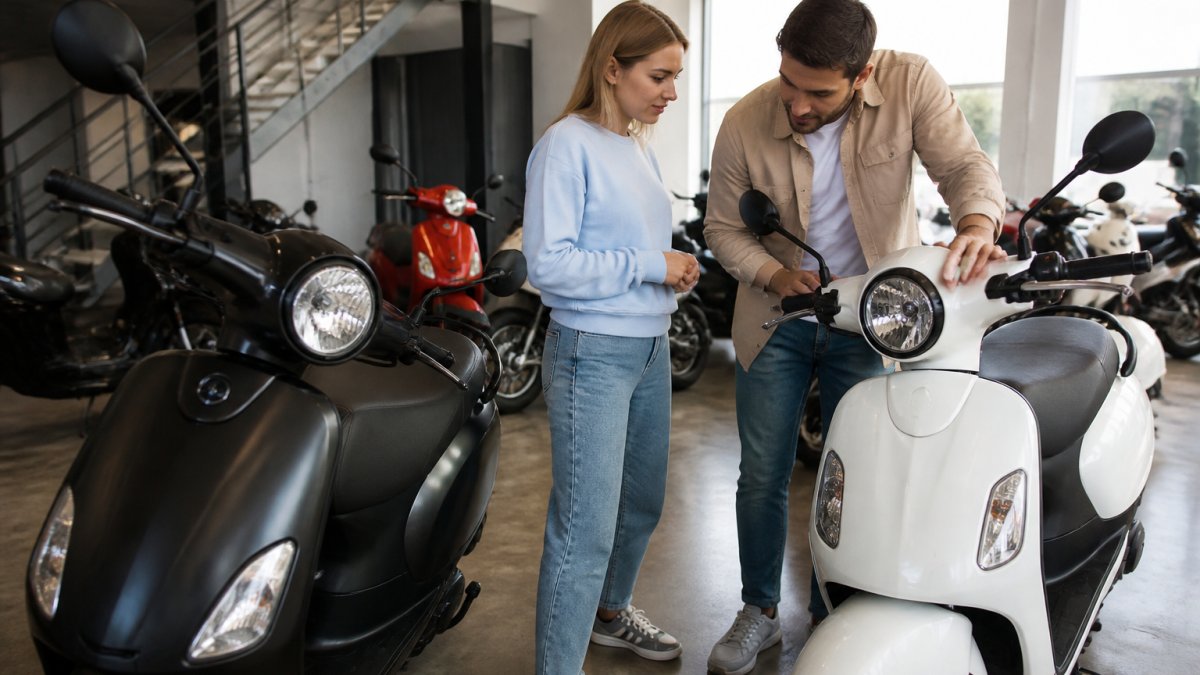
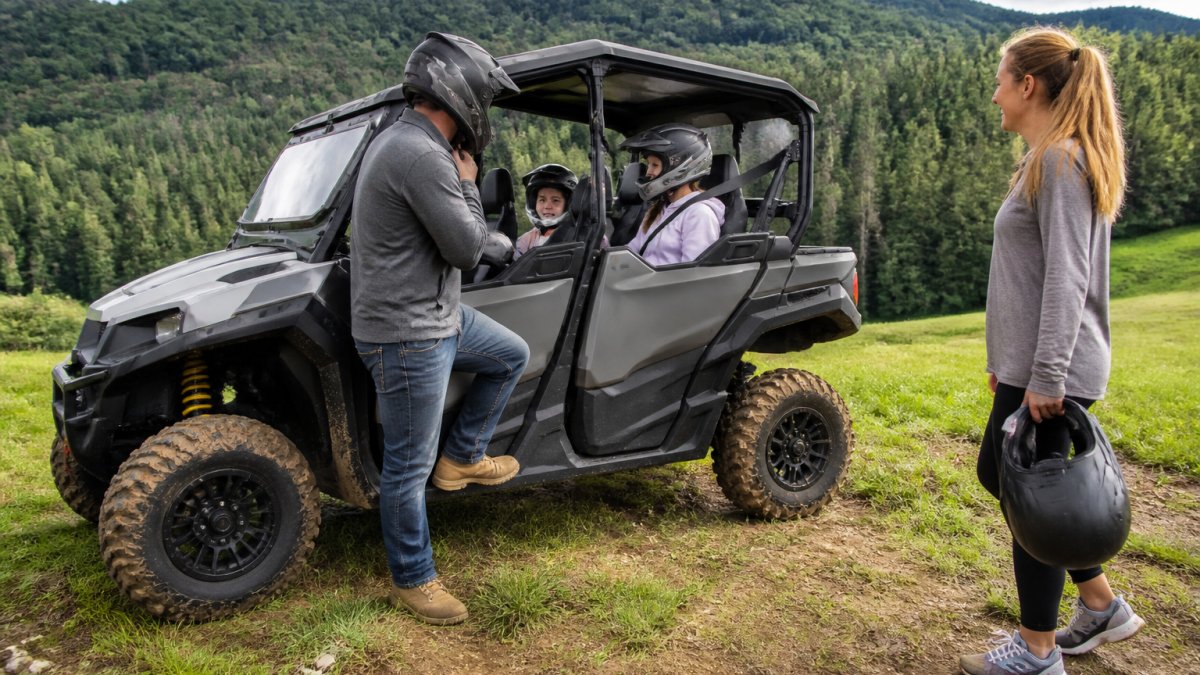
An ATV is a straddle-seat, handlebar-steered machine. For many farm jobs, the UTV is the more practical workhorse, but an ATV still earns its place on tight trails and in small pastures. Compare ATV and UTV key differences to see how each category handles cargo, seating, and terrain.
The decision usually comes down to how much you carry and how many people ride along.
Be honest about the terrain, too. Steep, rocky ground and narrow wooded trails often favor the smaller ATV footprint.
Watch out: Buyers often choose a UTV for its cargo bed and then discover it is too wide for the gates and tree lines on their property.
Match the Machine to Your Farm Size and Daily Jobs
Farm size shapes the right machine more than almost any other factor. A few acres of mixed pasture call for different features than a larger operation with daily feeding routes.
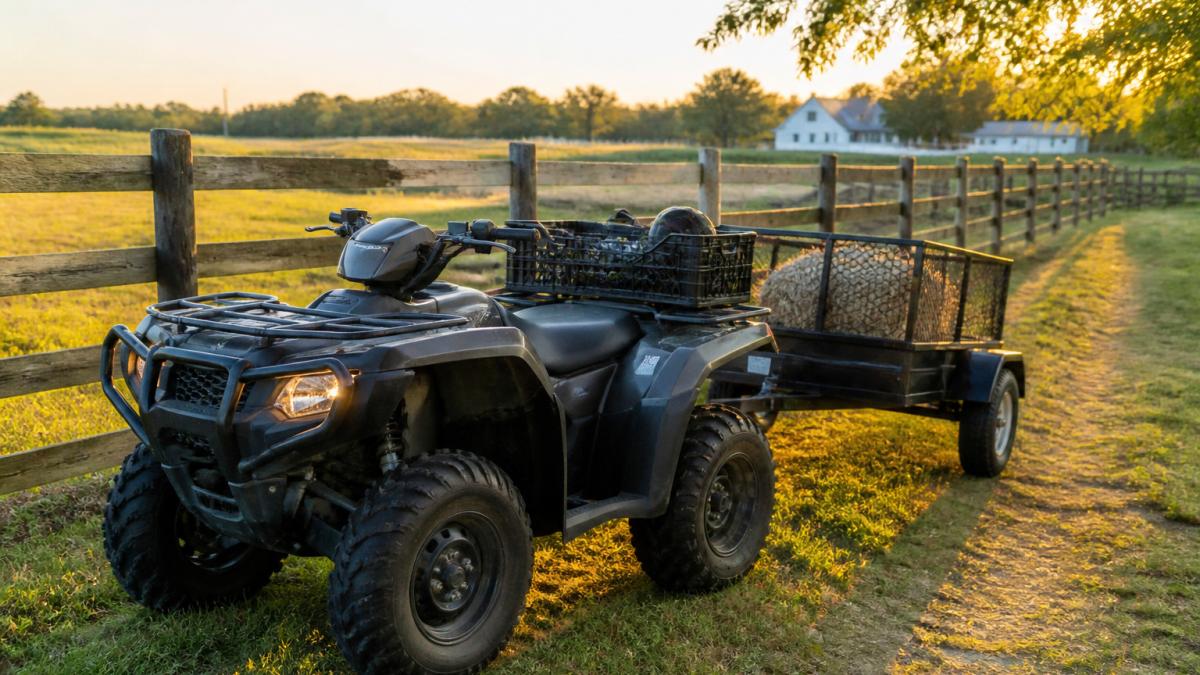
!A utility ATV with a cargo rack and a small trailer parked beside a fence line on a rural New Jersey property at golden hour
Small Acreage and Hobby Farms
On a smaller property, versatility matters most. A utility ATV that handles fence repair, light hauling, and trail riding covers most needs. Look for a machine with a rear rack and a hitch receiver so it can tow a small utility trailer when needed.
Overbuying is a common mistake here. A heavy-duty machine built for daily commercial hauling can cost more than a small farm will ever use.
Larger Operations and Daily Hauling
Larger operations need more payload and more durable drivetrains. Daily feed runs, equipment towing, and longer hours push machines harder. Prioritize higher towing capacity, a reinforced cargo area, and strong brakes.
Plan for maintenance as well. Machines that run every day need scheduled service, and a reliable local service department can keep downtime low during planting and haying seasons.
Farm ATV Towing Capacity, Payload and Engine Choices
Towing capacity and payload are the two specs that matter most for farm work. Payload is the weight the machine can carry, including cargo, passengers, and accessories. Towing capacity is the weight it can pull behind it.
Engine choice also affects how the machine handles load. Long-term performance often depends on how well you maintain these mechanical systems, which is why integrating reliable aftermarket parts can help sustain the heavy-duty capabilities required for demanding agricultural tasks.
Always confirm the figures with the manufacturer's current published specifications before buying. Ratings can vary by model year and configuration.
Best Utility ATV Models for Farm Work Compared
Competitors rank specific machines, so this section does too, but with a task-first lens rather than a single overall winner. Exact payload, towing, and displacement figures change by model year and trim, so confirm every number on the manufacturer's current spec sheet before you buy. The models below are the ones most often shortlisted for farm duty, grouped by the job they suit best.
Straddle-Seat Utility ATVs (narrow, nimble, single-rider)
- Honda FourTrax Rancher / Foreman series, Long-running farm favorites. The Rancher is the lighter, more maneuverable option for fence checks and light hauling; the Foreman adds displacement and a stronger drivetrain for heavier towing. Both are known for simple, durable mechanicals and wide parts availability.
- Yamaha Kodiak 450 / Grizzly 700, The Kodiak 450 is a common entry point for small acreage; the Grizzly 700 adds power and suspension travel for rougher ground. Yamaha's Ultramatic transmission and On-Command 4WD system are the features to compare.
- Polaris Sportsman 450 / 570, Widely available new and used, with a strong accessory ecosystem (winches, plows, spreaders). Check the specific trim for rack capacity and hitch rating.
- Can-Am Outlander series, Higher-displacement options with strong towing figures; confirm the rated hitch capacity for the exact model, since it varies across the lineup.
Side-by-Side UTVs (cargo bed, passenger capacity, heavier hauling)
- Polaris Ranger, The benchmark work UTV line. The full-size Ranger models carry the highest payload and towing ratings in the class; the mid-size and full-size variants differ substantially, so match the chassis to your gate widths and trailer.
- Can-Am Defender, Built around work duty, with a cargo bed designed for dump and tilt use and a reputation for torque-heavy power delivery. Compare HD8, HD9, and HD10 trims for towing and payload.
- Kubota RTV series, Known for diesel options and hydrostatic transmissions that suit slow, heavy, repetitive hauling. Diesel models appeal to owners who already store diesel for tractors.
- John Deere Gator, A long-standing farm name with a range from compact utility to full-size work models; dealer service coverage is a major selling point in rural areas.
- Honda Pioneer, Valued for refined shifting and reliability; compare bed capacity and towing against the Ranger and Defender before deciding.
Quick task-to-model starting points
| Farm job | Category to start with | Features to prioritize |
|---|---|---|
| Fence checks, spraying, tight tree lines | Straddle ATV | Narrow footprint, 4WD, rear rack, hitch receiver |
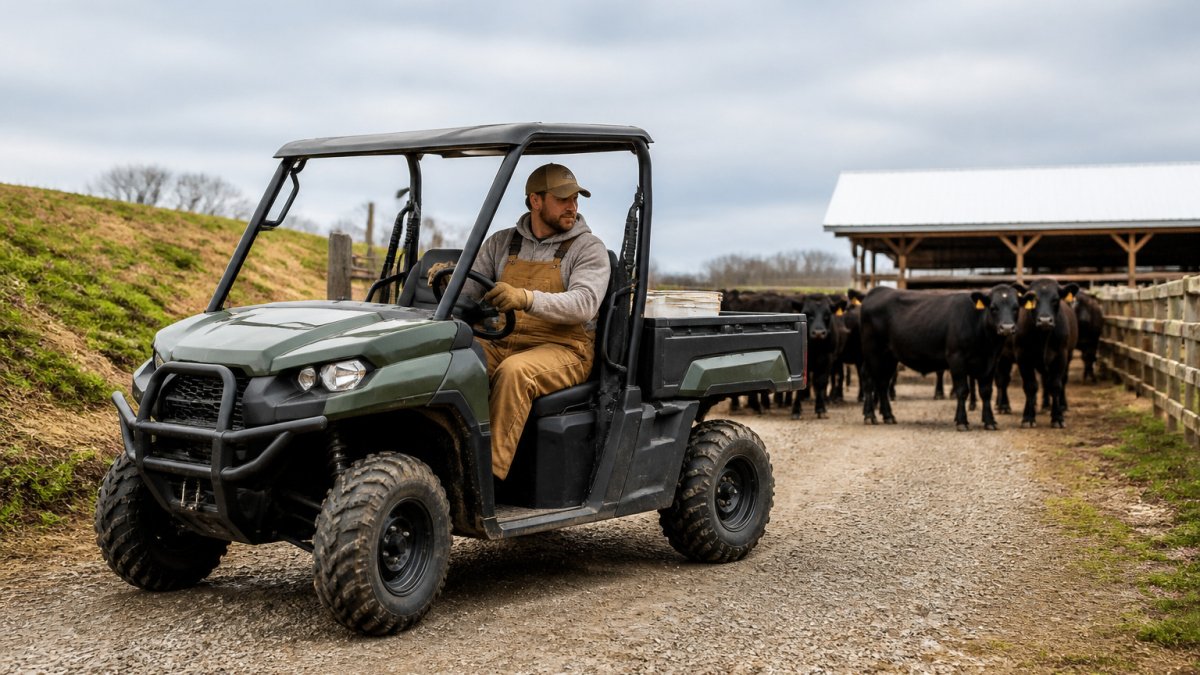
| Daily feed runs, hauling bags and buckets | UTV with cargo bed | Payload rating, bed dump/tilt, bed load rating |
| Pulling a small trailer or spreader | Either, depending on weight | Rated towing capacity, hitch rating, brakes |
| Snow plowing and winter chores | UTV or heavy ATV | Winch mount, plow compatibility, low-range gearing |
| Two-person work (helper riding along) | UTV | Seating capacity, rollover protection, seat belts |
Manufacturer specification pages for current model-year ratings
Best Used ATV for Farm Work: Inspection and Buying Tips
A pre-owned machine can deliver good value for farm work, but condition matters more than the sticker.
Check the frame and welds for cracks or repairs. Look at the drivetrain, including CV boots, axles, and differential fluid.
Ask about prior use.
You can browse current new and used inventory to compare options side by side. Consumer guidance on buying used off-road vehicles
Farm ATV Attachments, Ownership Costs and Safety Rules
Implement compatibility: what to verify before you buy
Attachments are where a utility ATV or UTV earns its keep on a farm, but compatibility is not universal. Before you commit to a machine, confirm these points for each implement you plan to run:
- Winch, Match winch capacity to the machine's weight and intended use (recovery vs. plow lifting). Verify the mounting plate pattern and whether the machine has a pre-wired harness or accessory circuit.
- Front plow, Check plow width against the machine's track width, confirm the mount kit is model-specific, and verify the machine has a low-range gear for pushing snow without slipping the clutch or belt.
- Spreader (salt, seed, fertilizer), Confirm the spreader's hopper capacity and mounting system fit your rear rack or bed, and check the machine's electrical capacity for powered spreaders.
- Sprayer, Tank size, pump type, and boom width matter; verify the sprayer's mounting footprint and whether the machine can carry a full tank plus operator within payload limits.
- Trailer and hitch, Confirm the hitch receiver size, the rated tow capacity, and whether the machine requires a ball mount or pin hitch. Trailer tongue weight counts against payload, not just towing capacity.
Total cost of ownership: beyond the sticker
Purchase price is only the first line item. A realistic farm budget should account for:
- Fuel, Gasoline dominates the category; diesel appears mainly in select UTV models. Fuel use rises sharply with heavy towing and plowing, so estimate hours per week rather than miles.
- Routine maintenance, Oil and filter changes, air filters, belt or clutch inspection, differential and transmission fluid, and grease points. Machines run daily need a service schedule tied to engine hours, not calendar months.
- Tires, Farm terrain eats tires faster than trail use. Budget for replacement and choose tread suited to mud, pasture, or gravel rather than all-purpose trail tread.
- Repairs and wear items, Brakes, CV boots, bearings, and winch cables are common wear points. Parts availability and dealer proximity matter as much as price.
- Insurance and storage, Check whether your farm policy covers the machine, and factor in covered storage to protect it from weather.
Ask your dealer for current parts and service pricing rather than relying on estimates, since figures vary by region and model.
Safety and legal considerations for farm use
- Rollover protection, UTVs with a rollover protection structure (ROPS) and seat belts are the safer choice for sloped ground and heavy loads. On straddle ATVs, active riding technique and speed control are the primary defenses against rollover.
- Helmets and eye protection, Required practice on ATVs; UTV occupants should use seat belts whenever the machine is moving.
- Load limits, Never exceed the manufacturer's payload or towing ratings. Overloading raises rollover risk and voids coverage in some cases.
- Training, Formal rider training is widely available and strongly recommended, especially for new operators and younger family members.
- Road use, Rules for operating ATVs and UTVs on public roads vary by state and locality. Check your state's off-highway vehicle regulations and any farm-vehicle exemptions before riding on or crossing roads.
- Age and supervision, Follow manufacturer age recommendations for youth models and supervise younger operators closely.
State off-highway vehicle regulations and safety guidance
Getting Your Farm ATV Matched to Your Property at Flemington Powersports
Choosing the best utility ATV for farm work is easier with a clear list of tasks, honest terrain notes, and verified specifications. Flemington Powersports offers new and pre-owned ATVs, including utility vehicles equipped with plows.
For current pricing and financing offers, contact Flemington Powersports directly by calling or texting 908-237-0099, or visit FlemingtonPowersports.com to request a quote.
Frequently Asked Questions
What size ATV should I get for farm work?
Match engine size and frame to the jobs you do most. Smaller acreage with light hauling and fence checks usually works well with a mid-size utility ATV in the 450cc to 700cc range. Larger properties that involve regular hauling, implement pulling or winter plowing typically need a larger engine, a higher payload rating and a sturdier front rack. Check the manufacturer's stated towing and payload limits before buying, since those numbers decide what you can actually do with the machine.
How much towing capacity do I need for a farm ATV?
Start with the heaviest load you tow regularly, such as a utility trailer loaded with feed, fencing material or a small implement, and add a safety margin. Verify the figure in the owner's manual for the specific model and year, and remember that payload on the racks reduces what you can safely tow.
Are 4WD ATVs better for farm work?
Four-wheel drive is standard on most utility ATVs and helps with mud, wet pasture, slopes and loaded hauling. Selectable 2WD and 4WD modes let you save wear and tire scrub on hard, dry ground and engage traction when conditions get rough. For most farm uses, a model with reliable selectable 4WD and a locking or limited-slip differential is more useful than an unfamiliar drivetrain feature.
What attachments can you use with a farm ATV?
Common farm ATV attachments include front plows, rear-mounted spreaders, cargo racks, utility boxes, sprayers, mowing decks, post-hole diggers and small winches. Confirm that the mounting points, hydraulic or electrical requirements and weight ratings match your model before buying. Attachments with heavy front loads can affect steering and handling, so check payload limits before adding equipment.