 comparison
How to Find Side-by-Side UTVs for Sale in NJ
Last Updated: October 30, 2026
Quick Summary
Dealerships such as Flemington Powersports in Flemington, NJ offer the widest choice of new side-by-side for sale, while private sellers can offer lower used prices with more risk. Before buying, compare engine size, seating, towing rating and drive system, and budget for sales tax, title, registration, insurance and maintenance.
- Dealerships usually offer the widest choice of new models.
- Private sellers can offer lower used prices but carry more risk.
- Compare engine size, seating, towing rating and cargo capacity.
- Budget for sales tax, title and registration, insurance and maintenance.
- Inspect used units for leaks, CVT belt wear and frame damage, and confirm the VIN.
Table of Contents
- Where to Find Side-by-Sides for Sale in New Jersey
- Side-by-Side Models and Specifications to Compare
- Side-by-Side Price: What Affects the Cost
- Used Side-by-Sides for Sale: What to Inspect
- New Versus Used: Total Ownership Costs
- Side-by-Side UTVs for Sale: Matching a Vehicle to Your Use
- New Jersey Registration and Riding Rules Before You Buy
- Visit Flemington Powersports to Compare Your Options
- Frequently Asked Questions
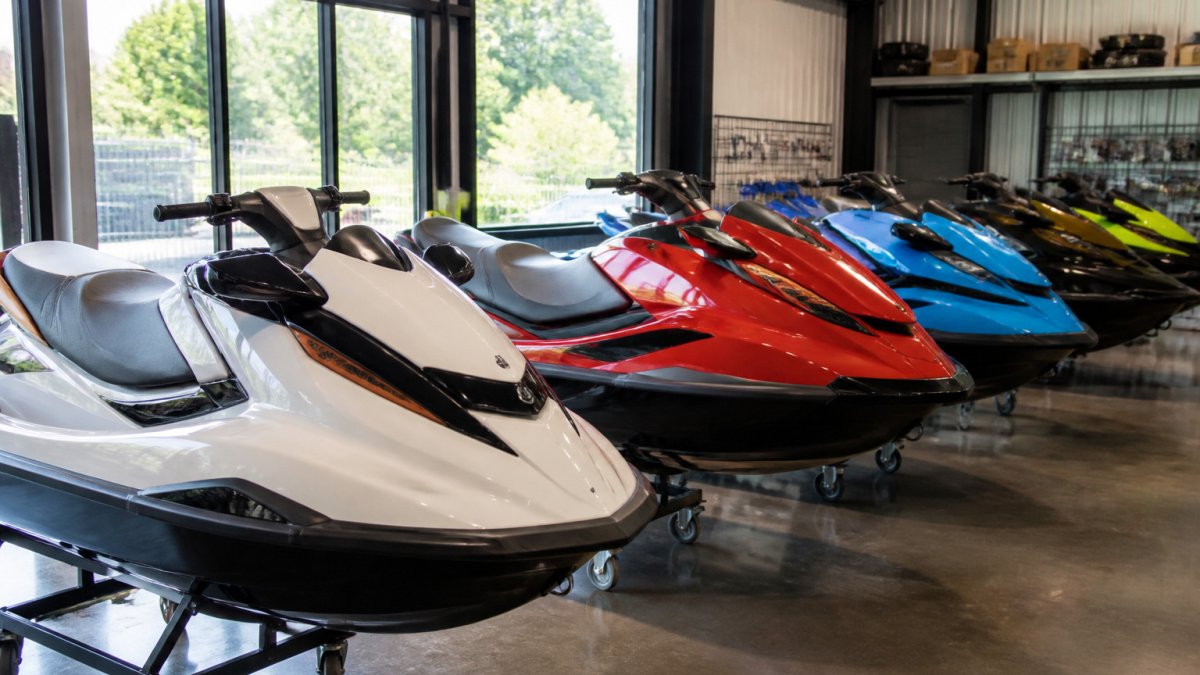
Shopping for a side-by-side for sale in New Jersey starts with knowing where the real inventory is and what separates one model from another. Flemington Powersports, a dealership at 300 Route 202 in Flemington, NJ, carries new and pre-owned side-by-sides alongside motorcycles, ATVs, and personal watercraft. This guide walks through where to look, what to compare, and what to check before you buy.
Where to Find Side-by-Sides for Sale in New Jersey
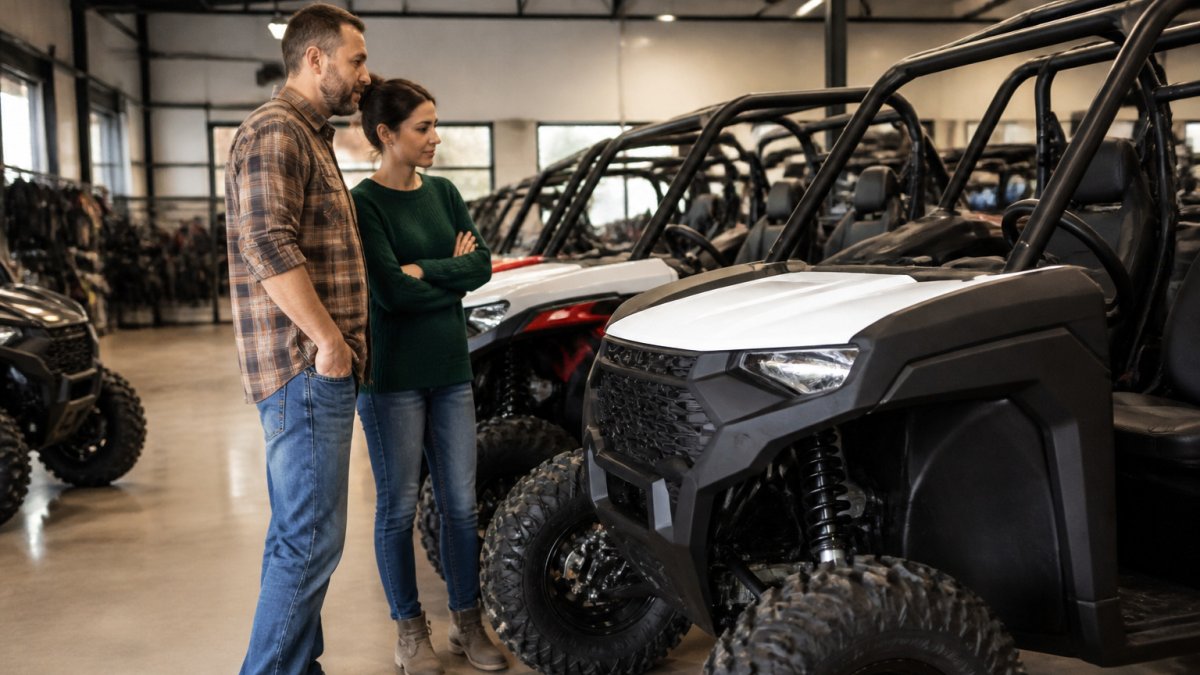
A side-by-side is a utility-style off-road vehicle with seating for two or more and a bench or bucket layout, often called a UTV. Buyers in New Jersey typically search three places: authorized dealerships, private sellers, and online listing platforms. Dealerships usually offer the widest choice of new models when you are looking for a side-by-side for sale. Browse a family-oriented side-by-side guide to see which models suit family and recreational riding. Private sellers can offer lower prices on used units but carry more risk. Start by confirming that a listed unit is in stock before you plan a trip, since inventory changes quickly.
Side-by-Side Models and Specifications to Compare
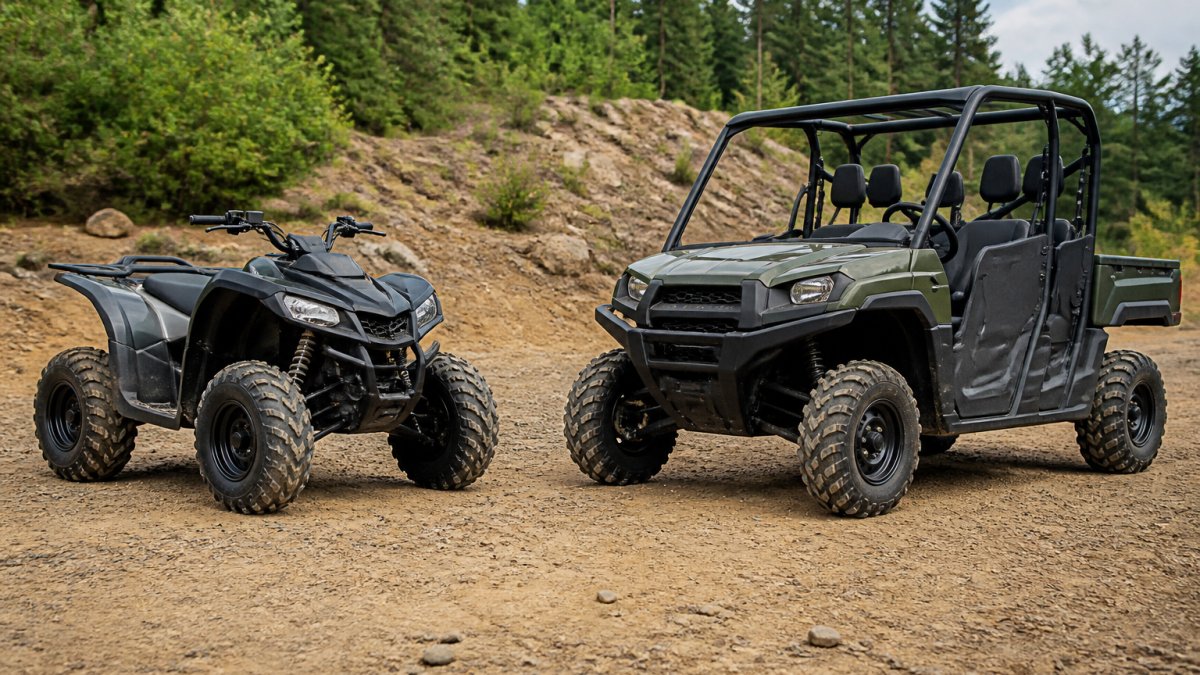
Compare models on engine size, seating capacity, towing rating, cargo capacity, and drive system. Two-seat models suit trail riding, while four-seat versions fit families and group outings. For a clear explanation of how UTVs differ from ATVs in design and capability, read the comparison guide. Check whether a model is built for recreation or for work, because a utility-focused unit with a higher towing rating can cost more than a sport model with similar horsepower. Ask for the manufacturer's spec sheet for each candidate so you compare identical measurements.
Side-by-Side Price: What Affects the Cost
Sticker price is only the first number in a side-by-side purchase. The advertised price on a new unit typically reflects the manufacturer's suggested retail price plus destination and freight charges, and sometimes a dealer preparation or assembly fee. Used prices are set by the seller and swing widely with condition, hours, accessories, and demand. Neither number tells you what the machine will actually cost to own.
What moves the advertised price up or down:
- Condition and hours. A used unit with low hours and documented service history commands more than a similar model with unknown maintenance.
- Engine size and drivetrain. Larger-displacement engines and four-wheel-drive systems generally carry higher prices than smaller two-wheel-drive utility models.
- Seating configuration. Four-seat models usually cost more than two-seat versions of the same platform.
- Factory incentives. Manufacturers periodically run rebates or promotional financing that can change the effective price of a new unit without changing the sticker.
- Accessories. Roofs, winches, plow mounts, windshields, and upgraded tires add cost whether they are bundled new or included on a used sale.
Total ownership costs to budget beyond the purchase price:
- Sales tax. Sales tax is collected at the point of sale and varies by jurisdiction; confirm the rate that applies to your transaction.
- Title and registration fees. Off-road vehicle titling and registration carry separate fees. Confirm current amounts with the New Jersey Motor Vehicle Commission before you finalize a budget.
- Insurance. Off-road vehicle coverage is often separate from auto policies. Ask your insurer whether the unit is covered on your homeowner policy, on a standalone off-road policy, or not at all.
- Maintenance. Oil and filter changes, air filters, belt inspection and replacement, brake service, and tire replacement are recurring costs. A common pattern is that the first major CVT belt service arrives sooner than new buyers expect.
- Accessories and storage. A trailer, tie-downs, a helmet, and secure storage are part of the real cost of ownership and are easy to overlook when comparing sticker prices.
- Financing. If you finance, compare the annual percentage rate and term, not just the monthly payment. A longer term lowers the payment but raises total interest.
Pricing for specific units changes often, so contact Flemington Powersports directly for a current quote on any model you're considering, and ask which fees are included in the quoted number.
The advertised price is only the first number, so the article breaks the total cost of ownership into these items.
| Cost item | What it covers | Note |
|---|---|---|
| Sales tax | Collected at point of sale | Rate varies by jurisdiction |
| Title and registration | Off-road vehicle titling and registration | Confirm current fees with the NJ MVC |
| Insurance | Off-road coverage, often separate from auto | Ask whether it is covered on a homeowner policy |
| Maintenance | Oil, filters, belts, brakes, tires | Recurring cost; first CVT belt service may come early |
| Accessories and storage | Trailer, tie-downs, helmet, storage | Easy to overlook when comparing sticker prices |
| Financing | Rate and term | Longer term lowers payment but raises total interest |
Used Side-by-Sides for Sale: What to Inspect
A used side-by-side should be inspected before any money changes hands. Check the engine for oil leaks, listen for unusual noise on a cold start, and inspect the CVT belt and drivetrain for wear. Look at the frame and suspension for cracks or bent components, and test steering, brakes, and all lights. Confirm the title matches the seller and the VIN on the frame. Use this used-vehicle condition checklist to assess a unit thoroughly before you buy. Watch out: a clean exterior can hide hours of hard use, so ask for maintenance records and the recorded hours.
New Versus Used: Total Ownership Costs
A new side-by-side carries full factory warranty coverage and the newest features, but it depreciates quickly in its first years. A used unit costs less up front, though it may need near-term maintenance such as belts, tires, or brake service. When you compare options, add the price, expected repairs, insurance, and registration together rather than looking at sticker price alone. Routine maintenance, including oil changes and air filter replacement, adds recurring cost regardless of which route you choose.
Side-by-Side UTVs for Sale: Matching a Vehicle to Your Use
Match the vehicle to how you will use it. For weekend trail rides with family, a two- or four-seat recreational model with good suspension travel works well. For property work, look for a utility model with a strong towing rating, a dump bed, and room for a plow. Be honest about your typical load and terrain, because overbuying wastes money and underbuying strains the machine. A short test drive on terrain similar to yours will tell you more than a spec sheet.
New Jersey Registration and Riding Rules Before You Buy
Off-road vehicle rules are one of the most overlooked parts of a side-by-side purchase. Before you buy, confirm four things: whether the unit can be registered, where it may legally be ridden, what safety equipment is required, and how you will transport it.
Registration and titling. The New Jersey Motor Vehicle Commission handles off-road vehicle registration and titling. Registration requirements, fees, and the documents you need vary by vehicle type and use, so confirm the current process with the MVC before you finalize a purchase (NJ MVC). A used unit should come with a title that matches the seller and a VIN on the frame that matches the paperwork, resolve any mismatch before money changes hands.
Where you can ride. Public trail access for side-by-sides is limited, and rules differ between state-managed lands, county and municipal parks, and private property. Some areas allow off-road vehicles only on designated routes; others prohibit them entirely. Local ordinances can add restrictions that do not appear in state guidance. Confirm access with the land manager for each place you plan to ride, not just with the state agency.
Safety equipment. Helmet requirements, seat belt use, and age restrictions for operators vary by location and vehicle class. Confirm the rules that apply where you ride, and outfit the machine accordingly before your first trip.
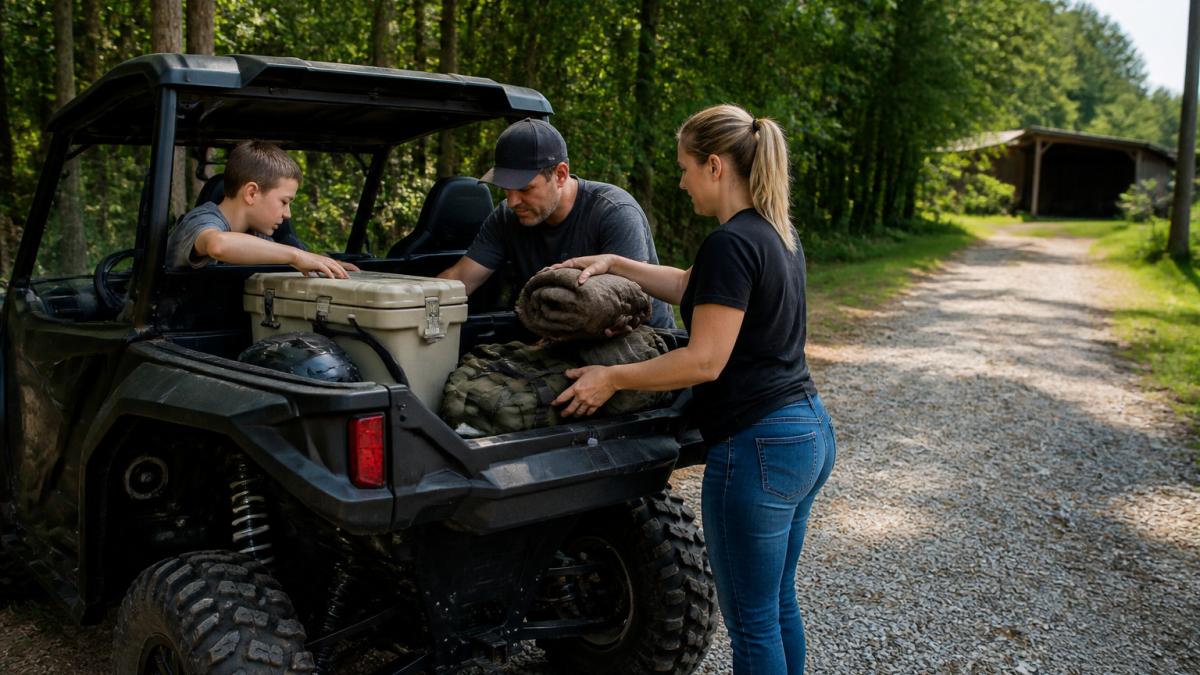
Transport. A side-by-side generally does not fit in a standard pickup bed. Plan for a trailer rated for the machine's weight plus cargo, and confirm tie-down points and towing capacity on your tow vehicle. Transport rules, including trailer registration and lighting requirements, are separate from the off-road vehicle rules themselves. Proper trailer setup also ensures that your vehicle remains visible during night travel, a safety consideration that remains relevant even after you complete your UTV lighting installation.
New Jersey Motor Vehicle Commission off-road vehicle information
If registration or trail access is central to how you plan to use the machine, raise it with the dealership before you buy so you can confirm the unit you are considering fits your intended use.
Visit Flemington Powersports to Compare Your Options
If you're ready to compare side-by-sides in person, visit Flemington Powersports to see new and pre-owned inventory across several vehicle types. You can also call or text 908-237-0099 during Tuesday through Saturday hours to ask about a specific model and to get a current quote before you make the drive.
Frequently Asked Questions
What should I look for when buying a side-by-side?
Start with how you will use it: trail riding, hauling, or property work each point toward different seating, engine size, and towing capacity. Check seat belts, roll cage, doors, and the drivetrain setup, and Ask about warranty coverage and what the dealer's service department handles after the sale.
Should I buy a new or used side-by-side?
New models carry a manufacturer warranty and the latest features, while used units usually cost less upfront but may need repairs sooner. Compare the purchase price against likely maintenance, insurance, and the value you expect to keep when you resell. A used unit with a documented service history often makes sense for first-time buyers.
How do I know a used side-by-side for sale is in the condition listed?
Ask for the hours on the engine, the service records, and any accident or damage history. Inspect the frame for cracks or welds, check tires and suspension, and start the engine cold to listen for unusual noise. Have the vehicle test-driven before you buy.
Can I register a side-by-side in New Jersey?
New Jersey registration and title rules for off-road vehicles can change, so confirm the current requirements with the New Jersey Motor Vehicle Commission before buying. Ask the dealer which paperwork you must complete yourself. Riding on public roads and trails may also be restricted, so check local rules for where you plan to ride.